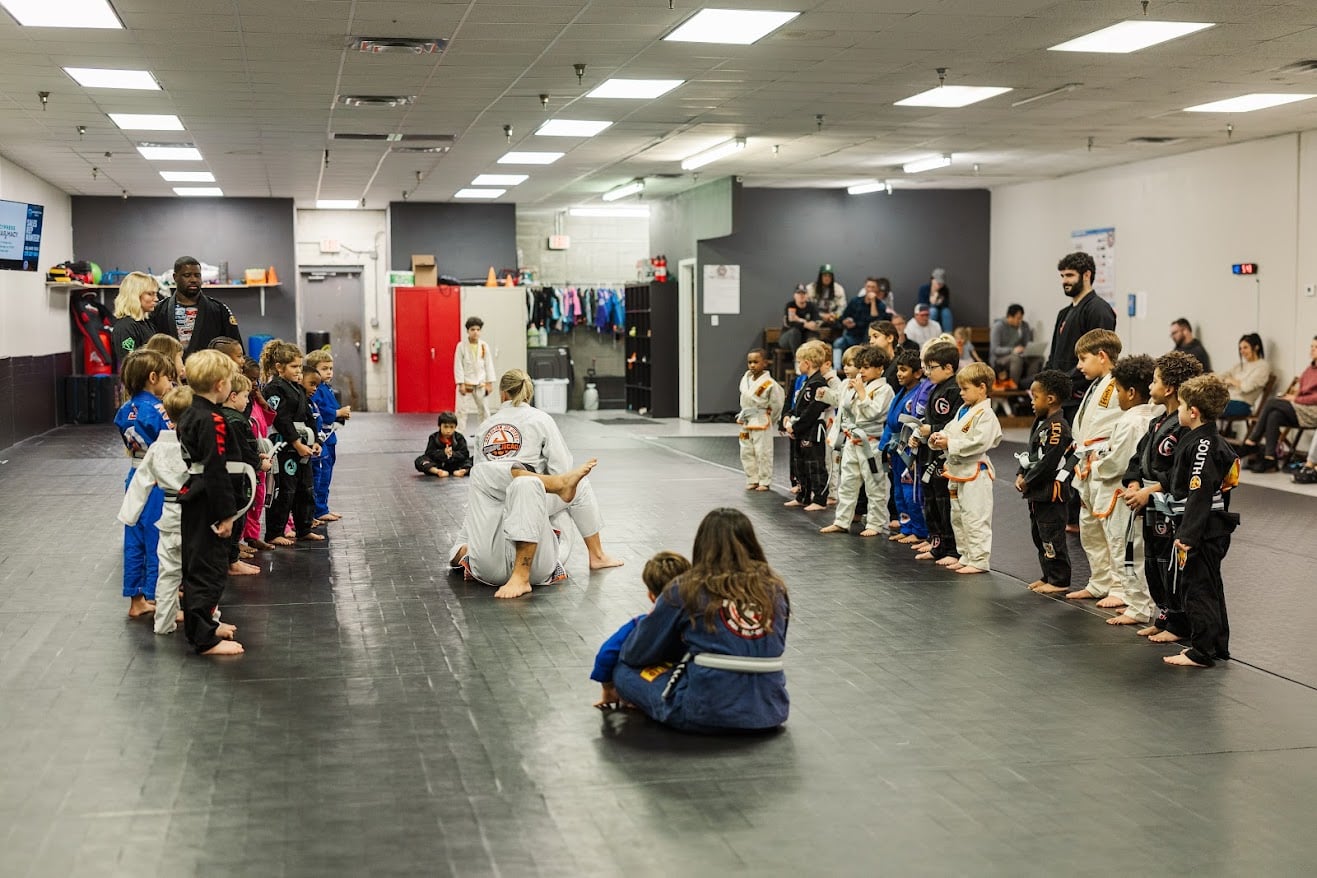
Why Jiu Jitsu Is a Game Changer for People With ADD/ADHD
For people living with ADD or ADHD, the world can feel like it’s constantly pulling attention in a hundred different directions. Focus comes and goes, routines feel restrictive, and traditional fitness programs often get boring fast. Brazilian Jiu Jitsu (BJJ), however, offers something different—and for many, life-changing.
1. Constant Engagement Keeps the Mind Locked In
Jiu Jitsu demands your full attention. Every second on the mat requires problem-solving, awareness, and decision-making. Because your opponent is always reacting, no two moments are the same. This dynamic environment naturally holds the attention of people with ADD/ADHD far better than repetitive workouts or static exercises.
There’s no time to drift mentally—your brain is fully engaged in the present moment.
2. Structure Without Monotony
People with ADD/ADHD often struggle with rigid routines, but they also thrive with structure. Jiu Jitsu hits the sweet spot. Classes follow a consistent format—warm-up, technique, drilling, sparring—yet each session introduces new techniques, variations, and challenges.
This balance provides stability without boredom.
3. Physical Outlet for Mental Energy
ADD/ADHD often comes with excess mental and physical energy. Jiu Jitsu is an intense full-body workout that gives that energy a productive outlet. Rolling (sparring) is both physically exhausting and mentally satisfying, often leading to a calm, focused state afterward.
Many practitioners report better sleep, reduced restlessness, and improved mood.
4. Improved Focus Through Problem-Solving
Jiu Jitsu is often called “physical chess.” Every position presents a puzzle: escape, sweep, submit, or defend. This constant problem-solving strengthens executive function—planning, impulse control, and sustained attention—areas commonly impacted by ADD/ADHD.
Over time, these skills transfer off the mats into work, school, and daily life.
5. Dopamine in a Healthy Form
Brains with ADD/ADHD often crave stimulation and novelty due to dopamine regulation differences. Jiu Jitsu delivers natural dopamine through learning, progress, competition, and small wins—like finally hitting a technique you’ve practiced for weeks.
This healthy reward loop can reduce reliance on unhealthy stimulation and improve overall motivation.
6. Builds Confidence and Emotional Regulation
Jiu Jitsu humbles everyone—and that’s a good thing. Learning how to stay calm under pressure, breathe through discomfort, and recover from mistakes builds emotional resilience. For people with ADD/ADHD, this can translate into better frustration tolerance and self-confidence.
You learn that setbacks aren’t failures—they’re feedback.
7. Community and Belonging
Many people with ADD/ADHD struggle with feeling “different.” Jiu Jitsu gyms are often inclusive, supportive environments where individuality is accepted and effort is respected. The shared struggle on the mats builds strong bonds and a sense of belonging that’s hard to find elsewhere.
Final Thoughts
Jiu Jitsu isn’t a cure for ADD or ADHD—but it can be a powerful tool. It channels energy, sharpens focus, builds discipline, and provides a sense of purpose and community. For many, stepping onto the mats is where chaos turns into clarity.
If traditional fitness or mindfulness practices haven’t clicked for you, Jiu Jitsu just might.
The Benefits of Brazilian Jiu Jitsu (BJJ) for ADD/ADHD: Focus, Discipline, and Cognitive Growth
Keywords: Brazilian Jiu Jitsu benefits ADHD, ADHD exercise benefits, martial arts ADHD focus, BJJ neurodiversity support
Living with ADD/ADHD can mean facing constant distraction, impulsivity, and the challenge of staying engaged with traditional exercise or therapy. Many people with ADHD are now discovering Brazilian Jiu Jitsu (BJJ) not just as a sport — but as a transformative practice that helps build focus, emotional regulation, and confidence. But what does science say?
How Physical Activity Impacts ADHD Symptoms
Physical exercise affects the brain in ways that are highly relevant to ADHD. Activity increases dopamine and norepinephrine, neurotransmitters linked to attention and executive function — the very chemicals targeted by stimulant medications. Exercise also promotes neuroplasticity and improved cognitive control.
A 2024 systematic literature review noted that exercise can improve executive function and behavior in individuals with ADHD — though the overall evidence base varies widely by study type and activity.
Why Brazilian Jiu Jitsu Is Especially Helpful
BJJ combines physical exercise with structured learning, decision-making under pressure, and problem-solving — all of which align with the needs of people with ADHD.
1. Constant Cognitive Engagement
Unlike repetitive workouts, BJJ requires you to think while moving. Practitioners must adapt to changing positions, solve tactical challenges, and anticipate reactions — a form of active attention training that keeps the ADHD brain engaged.
2. Structured Routine With Variety
Classes follow consistent formats (warm-up, drills, sparring), yet each session offers new techniques and learning opportunities. This predictable but evolving structure helps train sustained attention without boredom.
3. Boosts Focus Through Action
Physical involvement plus mental strategy means attention isn’t passive — it’s required. This dynamic blend of movement and cognition helps build real-world focus that can transfer off the mats.
4. Positive Outlet for Hyperactivity
For many with ADHD, excess energy isn’t a problem — it’s undirected potential. Jiu Jitsu channels that energy into something purposeful and controlled, giving both body and mind a healthy release.
5. Social Support and Confidence Building
BJJ gyms build strong community ties. The camaraderie, progress milestones, and shared challenges help practitioners develop confidence, emotional regulation, and supportive peer interactions — all beneficial for ADHD management.
What the Research Says (And Doesn’t Yet)
There aren’t many large-scale, peer-reviewed studies focused exclusively on BJJ and ADHD. However:
Structured physical activity shows promise in improving attention, executive function, and emotional regulation in ADHD.
Martial arts training as a category (including karate and similar disciplines) has been linked to better focus and self-control in children with ADHD.
Caveat: A 2024 meta-analysis found insufficient evidence to conclusively say exercise reduces ADHD symptoms across all populations — largely because study types and activities vary widely.
So while the neurobiological principles support benefits (e.g., increased dopamine and cognitive engagement), more BJJ-specific clinical research is needed to fully quantify effect sizes.
Real-Life Benefits Reported by Practitioners
Even as the science continues to grow, many people and families report clear improvements after starting BJJ:
- Better focus and task persistence
- Increased self-confidence and resilience
- Improved impulse control
- Enhanced stress management
- Greater social connection in supportive communities
Many of these gains align with the ways martial arts training can strengthen executive function — even if the current research isn’t yet definitive.
Final Thoughts
Brazilian Jiu Jitsu isn’t a replacement for medical treatment or therapy for ADD/ADHD. But it can be a powerful complement — engaging the body and mind in ways that traditional workouts often don’t. Its blend of physical challenge, mental problem-solving, and structured social environment makes it uniquely suited to many ADHD brains.
If you’re looking for a holistic approach that builds focus, discipline, and confidence — BJJ might just be worth trying.


